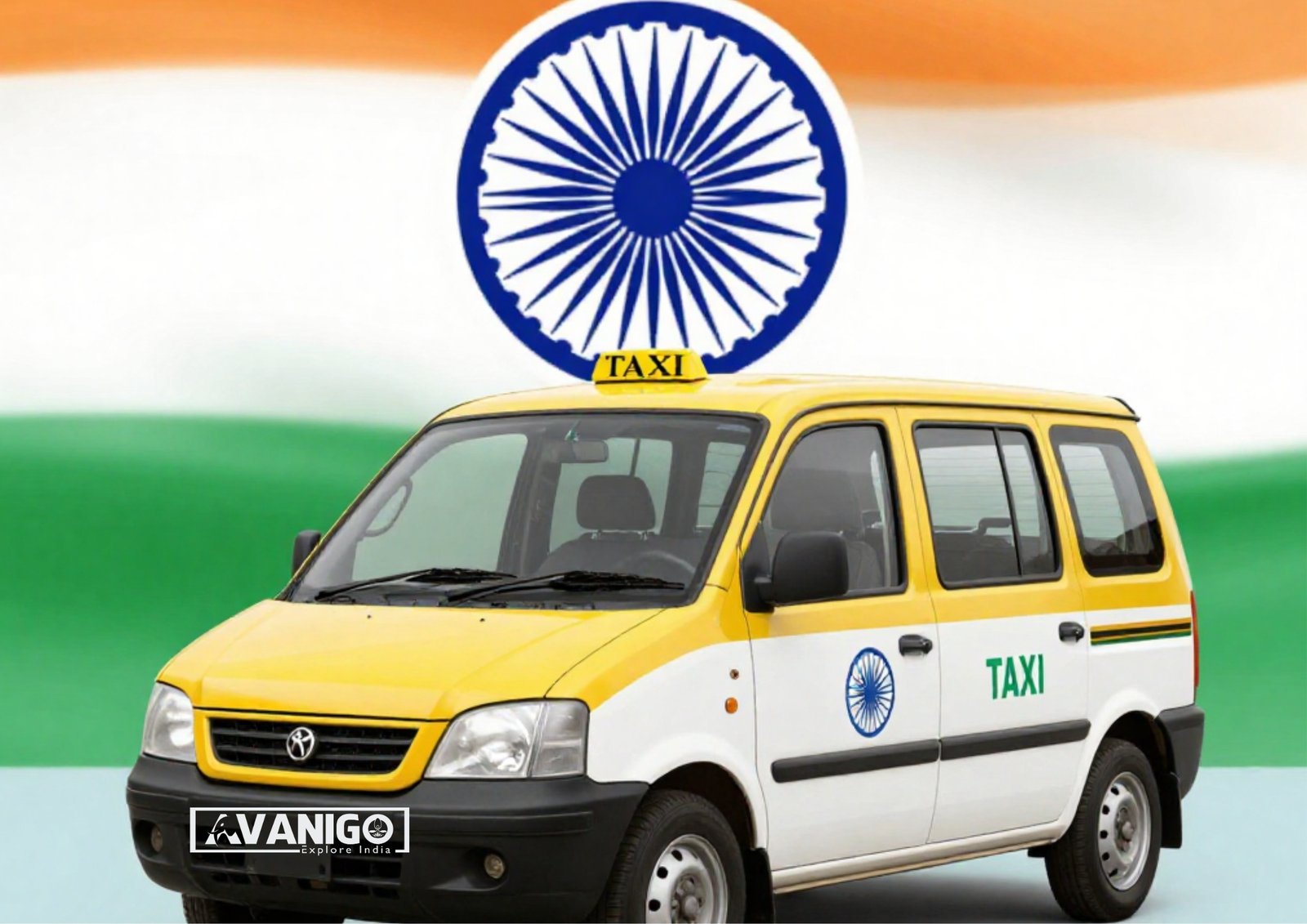
On 5 February 2026 the Government of India formally launched Bharat Taxi, described by officials and major outlets as the country’s first cooperative-led digital mobility platform. The initiative, operated through Sahakar Taxi Cooperative Limited and supported by the Ministry of Cooperation, positions itself as a driver-centric alternative to corporate aggregators by promising transparent fares, minimal or zero commissions, and an ownership stake model for driver partners. The platform is live in the Delhi-NCR and Gujarat regions and the government has announced plans for phased national expansion over the next two to three years.
Quick Navigation
Why Bharat Taxi matters now
India’s ride-hailing market has matured in the last decade, but tensions persist. Drivers and local regulators have frequently raised concerns about opaque commission structures, dynamic surge pricing, and driver earnings volatility. Bharat Taxi enters this context as a policy-driven experiment in cooperative governance applied to digital mobility. The stated aim is to redistribute value toward drivers while maintaining consumer convenience comparable to incumbent apps. Early government communications and coverage emphasise the model’s intent to deliver fairer economics for drivers and to reduce sharp price fluctuations for riders.
Model and mechanics: how it claims to be different
Public releases and media reporting outline several operational features that distinguish Bharat Taxi from typical aggregator models:
Cooperative ownership and profit sharing: Drivers, organized through the Sahakar Taxi Cooperative Limited, are intended to be stakeholders in the platform rather than solely gig workers. This is reflected in branding around the phrase translated as “Sarathi is owner.”
Commission and pricing policy: Officials and the app description highlight a zero or minimal commission approach for driver earnings, and an explicit commitment to surge-free, upfront fares. Those promises are central to the platform’s differentiation strategy, though implementation details will determine practical impact.
Multi-modal bookings and safety features: The app supports auto, bike, and cab bookings and advertises standard tracking and safety features found on mainstream platforms. The government has also signalled targeted initiatives such as “Sarathi Didi” for women’s safety and inclusion.
Institutional partnerships: An MoU with Delhi Traffic Police permits Bharat Taxi to operate digital prepaid taxi booths in Delhi, which the government frames as an added safety and transparency measure. This indicates early efforts to integrate with existing urban mobility infrastructure.
These elements combined are intended to yield three outcomes: improved driver economics, reduced rider price shock, and locally anchored governance. Whether these outcomes materialize at scale will depend on operational discipline, cost management, and competitive response.
Business implications and competitive dynamics
Bharat Taxi’s entry changes the strategic calculus for incumbents in several ways:
-
Competitive pricing pressure: A government-backed, surge-free competitor could compress peak fares and force incumbents to reexamine pricing models in particular corridors and time windows. Early promotional pricing claims in media coverage suggest aggressive positioning.
-
Driver recruitment and retention: If Bharat Taxi delivers higher take-home pay or ownership benefits, it may attract driver supply from private platforms. Incumbents may respond with better incentives or product changes to retain drivers.
-
Regulatory precedent: A government-sponsored cooperative model may influence future regulation on aggregator commissions, platform liabilities, and data governance. Policymakers and courts could reference this model when assessing fairness standards.
-
Service quality and scalability risk: Cooperative governance does not automatically guarantee efficient, technology-driven operations. Scalability, fraud control, dynamic routing, and customer service will determine rider retention. Incumbents with deep tech stacks and network effects retain advantages that will be hard to overcome quickly.
Operational risks and open questions
Media and official texts make bold claims, but several areas require scrutiny:
-
Financial sustainability: Zero or minimal commissions reduce immediate platform revenue. Long term platform viability will depend on alternative revenue streams, cooperative capitalisation, advertising, or municipal contracts.
-
Driver onboarding and governance: The practicalities of converting a large, heterogeneous driver base into cooperative stakeholders are nontrivial. Clarity is needed on membership rules, profit distribution formulas, dispute resolution, and capital requirements.
-
Technology parity: Incumbent apps have years of investment in routing algorithms, surge prediction, fraud detection, and UX. Bharat Taxi must match or exceed these capabilities to win and retain riders at scale.
-
Consumer protections: Clarity on refunds, cancellations, and rider grievance redressal will influence adoption among urban professionals who compare app experiences directly.
Early takeaways for stakeholders
For policy makers, Bharat Taxi is a live pilot in applying cooperative models to platform economies. For drivers, it offers a potential path to ownership and steadier earnings, subject to how profit sharing is implemented. For incumbents, it is a new strategic competitor that may force incremental adjustments in pricing and driver engagement. For investors and city planners, the rollout presents both an experiment in distributed governance and a test of whether a cooperative digital platform can scale while maintaining service quality.
Suggested monitoring list
Track the following signals over the next 6 to 24 months to evaluate impact:
-
Driver take-home earnings versus incumbents in launch cities.
-
Number of active drivers and monthly trips on the Bharat Taxi platform.
-
Rider app ratings, cancellation rates, and ETA accuracy.
-
Financial disclosures, funding or grant flows to the cooperative.
-
Regulatory or legal challenges from incumbent firms or competition authorities.
Where possible rely on primary reporting and official releases for each metric. Initial authoritative sources include Ministry of Cooperation releases and major national business and general news outlets.
FAQs
Q: When was Bharat Taxi launched and who launched it?
A: The platform was officially launched on 5 February 2026 in New Delhi, at an event attended by Union Home and Cooperation Minister Amit Shah.
Q: Who owns and operates Bharat Taxi?
A: The service is operated through Sahakar Taxi Cooperative Limited and backed by the Ministry of Cooperation, positioning drivers as cooperative stakeholders rather than independent gig workers.
Q: Does Bharat Taxi charge surge pricing or commissions?
A: Public releases state the platform will be surge-free and will implement zero or minimal commission arrangements for drivers. Independent verification of long term pricing policies should follow as the service scales.
Q: Where is the service available today?
A: Initial rollout covers Delhi-NCR and Gujarat, with government announcements indicating plans to expand nationally over the next two to three years.
Q: How is Bharat Taxi integrated with city infrastructure?
A: An MoU with Delhi Traffic Police permits operation of digital prepaid taxi booths across multiple Delhi locations, a measure framed as improving passenger safety and transparency.
Sources and methodology
This article synthesizes reporting and official releases from leading Indian news and government sources, including the Press Information Bureau, Times of India, Economic Times, NDTV, Indian Express, and the Google Play app listing for Bharat Taxi.

Swetha is a Content Specialist, LinkedIn Branding and B2B Marketing Consultant. When she is not in the world of B2B, she researches the roots and beauty of Indian Culture and Traditions. She is the author of the book: 365 Days 365 Posts – The Guide to LinkedIn Personal Branding, available exclusively on Amazon. Connect with her on LinkedIn.