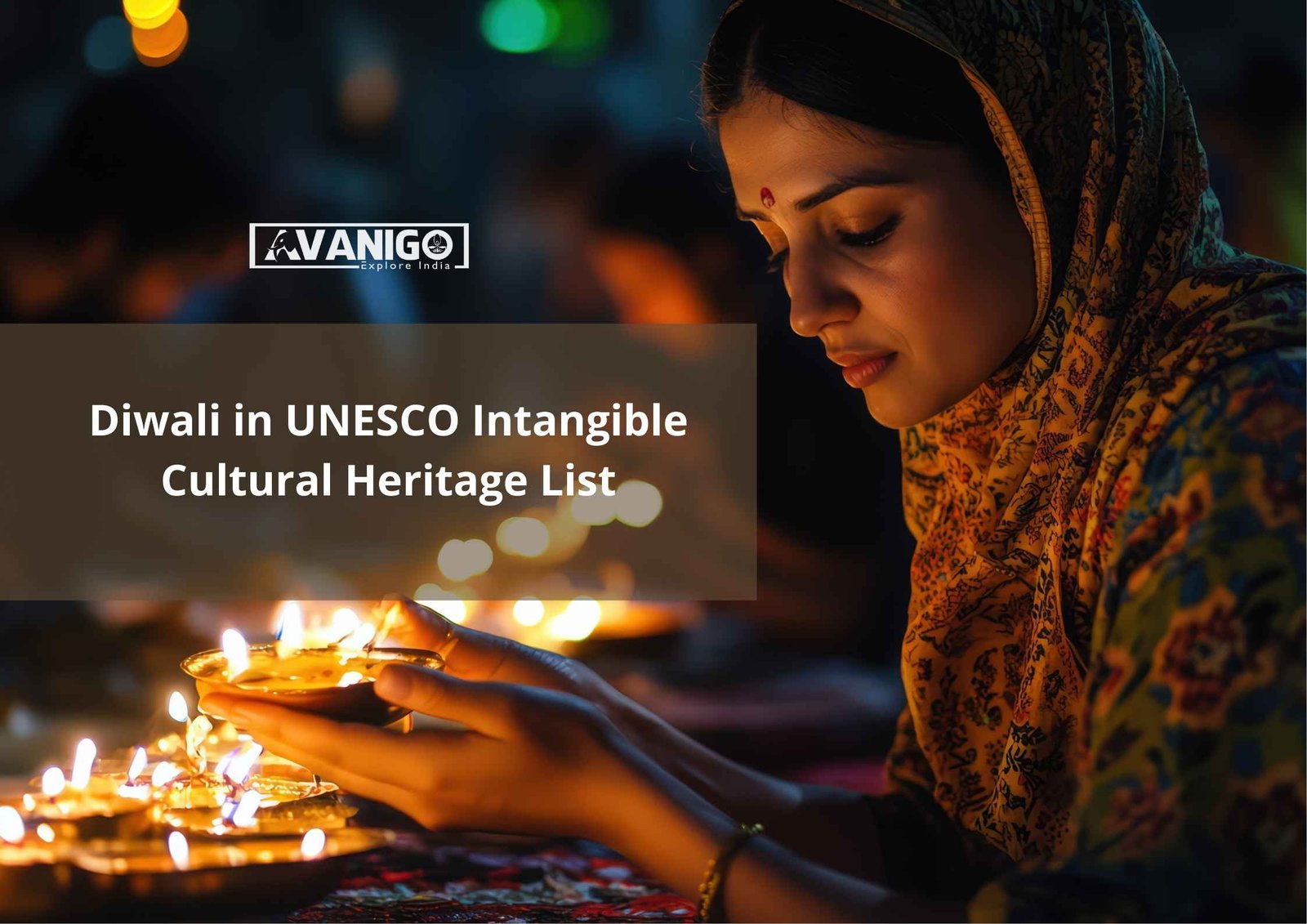
The official inscription of Diwali into the United Nations Educational, Scientific and Cultural Organization’s (UNESCO’s) Intangible Cultural Heritage (ICH) List marks a transformative moment in India’s cultural history. As one of the world’s most celebrated and deeply symbolic festivals, Diwali represents shared values, artistic traditions, and community practices that have been preserved for centuries. With Diwali in UNESCO Intangible Cultural Heritage List, this recognition, the festival now stands beside globally acknowledged cultural treasures, reinforcing its place not only in India’s social fabric but also on the international heritage stage.
This milestone strengthens the positioning of Incredible India as a nation with one of the richest cultural lineages worldwide. By securing a place for Diwali in the UNESCO Heritage List India, the country elevates its portfolio of globally significant intangible heritage elements, and simultaneously sends a strong cultural diplomacy message: India continues to be a steward of living traditions that contribute meaningfully to global cultural diversity.
Quick Navigation
Diwali and Indian Culture: A Festival Rooted in History, Symbolism, and Community Identity
Diwali, also known as Deepavali, is celebrated across India and many parts of the world with extraordinary enthusiasm and spiritual depth. The festival’s meaning varies across regions, but its core symbolism remains universal: light triumphing over darkness, knowledge dispelling ignorance, and good overcoming evil. These themes are reflected not only in religious observances but also in daily life, social interactions, and community gatherings.
For millions of households, Diwali is a multi-day celebration involving traditional rituals, worship, artistic performances, and community exchanges. Homes are decorated with oil lamps, rangoli designs, and vibrant motifs. Families gather to share meals, exchange gifts, and mark the beginning of a new financial year in many communities. The festival stimulates local craftsmanship, performing arts, culinary traditions, textile production, and artisanal trade, all of which form critical components of India’s intangible cultural economy.
These living cultural expressions are exactly what UNESCO’s ICH framework seeks to recognize and preserve. Through the official inscription of Diwali in the Diwali UNESCO Heritage List, the world acknowledges the festival’s role in reinforcing identity, transmitting inherited traditions, and strengthening social cohesion across generations and geographies.
India’s Expanding Presence in UNESCO’s Intangible Cultural Heritage Framework
Prior to Diwali’s inscription, India already had fifteen distinguished elements recognized in the UNESCO ICH list, including:
- Kumbh Mela
- Durga Puja of Kolkata
- Garba of Gujarat
- Yoga
- Vedic chanting
- Ramlila
- Nawruz
- Buddhist chanting traditions
- And several traditional crafts and community practices
Each of these elements reflects a specific cultural tradition, geographical identity, or philosophical heritage. Collectively, they establish India as one of the strongest contributors to global intangible cultural diversity.
With Diwali now officially added to the UNESCO Heritage List India, the country strengthens its cultural footprint and enhances its strategic position in heritage-related diplomacy. The recognition underscores India’s commitment to preserving both its tangible and intangible heritage, encouraging future generations to maintain, document, and promote their cultural identities.
Why UNESCO’s Intangible Cultural Heritage Recognition Matters
UNESCO’s Intangible Cultural Heritage list is not merely a symbolic acknowledgment. It serves as a formal mechanism that ensures the visibility, protection, and transmission of traditions considered vital to human cultural continuity. The inscription of Diwali carries several strategic and cultural implications.
- Global Validation of Diwali’s Cultural Importance
The inscription positions Diwali as a cultural practice of universal relevance. It acknowledges the depth, scale, and impact of the festival, especially its ability to unite communities across different religions, regions, and global locations. This validation reaffirms Diwali’s stature as one of the world’s most influential cultural celebrations.
- Preservation Through Structured Programmes
UNESCO’s framework encourages participating nations to implement safeguarding measures. For Diwali, this may include:
- Documentation of rituals and practices
- Support for traditional craftsmanship linked to the festival
- Preservation of oral histories and community knowledge
- Promotion of performing arts associated with Diwali celebrations
- Protection of community-led traditions from commercialization or dilution
This formal recognition safeguards Diwali’s authenticity while ensuring structured continuity.
- Strengthened Cultural Diplomacy for India
Cultural diplomacy forms an essential pillar of India’s global engagement. The inscription of Diwali enhances India’s soft power and positions the country as a leader in the preservation of living cultural heritage. India’s cultural narrative gains credibility and visibility in international forums, tourism campaigns, and global partnerships.
- Economic and Social Impact
Diwali is deeply intertwined with India’s cultural economy. Traditional markets, artisans, craftsmen, textile designers, lighting manufacturers, sweet makers, pottery communities, performing artists, and local vendors all experience significant demand during the festival. UNESCO’s recognition has the potential to expand this economic ecosystem by amplifying global awareness, tourism interest, and heritage-based branding opportunities.
Reinforcing the Spirit of Incredible India
The inscription further aligns with India’s Incredible India tourism strategy, which emphasizes the nation’s cultural depth, traditions, and living heritage as differentiating factors in the global tourism landscape. Diwali’s global recognition will enhance India’s campaign narratives, allowing tourism organizations, state governments, and cultural bodies to position Indian festivals more effectively on the world stage.
This milestone creates new opportunities for:
- International cultural festivals
- Heritage-based tourism circuits
- Brand India storytelling
- Diaspora engagement initiatives
- Cross-cultural academic research
Diwali’s official recognition strengthens India’s identity as a land of continuous tradition and cultural richness.
A Celebration of Light, Now Illuminating the World
Millions of people worldwide celebrate Diwali with a sense of devotion, joy, and belonging. The festival carries emotional, cultural, and spiritual resonance that extends far beyond rituals or ceremonies. It reflects shared human aspirations: unity, renewal, prosperity, and peace.
By inscribing Diwali into the UNESCO Intangible Cultural Heritage list, the global community acknowledges these universal values. The recognition affirms that Diwali is not just an Indian celebration; it is a global symbol of hope and harmony.
What This Means for Future Generations
For future generations, UNESCO’s recognition ensures:
- Enhanced cultural documentation
- Preservation of traditional art forms and indigenous practices
- Education about the festival’s historical and symbolic meaning
- Protection against cultural erosion caused by modernization
- Greater global exchange around cultural narratives
This inscription secures Diwali’s legacy in a rapidly changing world. It ensures that young Indians and diaspora communities inherit a festival that retains its authenticity and cultural importance.
A Defining Moment for India’s Cultural Leadership
Diwali’s official inscription into the UNESCO Heritage List India is a landmark achievement for India’s heritage framework. It demonstrates that India is not only a custodian of ancient traditions but also a proactive participant in global heritage governance.
The recognition celebrates Diwali as a living tradition that embodies the complexities, emotions, and values of Indian society. It also highlights India’s contribution to global cultural resilience at a time when the preservation of human heritage has become a shared international priority.
Conclusion
Diwali’s official inclusion in the Diwali UNESCO Heritage List is more than an acknowledgment of a festival; it is an affirmation of India’s cultural depth and global relevance. It recognizes Diwali as a cultural institution that promotes community harmony, enriches global cultural diversity, and carries forward traditions that define the Indian way of life.
This moment marks a new chapter for Incredible India, elevating one of its most cherished celebrations to a protected global heritage asset. As Diwali continues to inspire millions around the world, its formal recognition ensures that its light will shine through generations, illuminating both India’s cultural prestige and the shared values of humanity.

Swetha is a Content Specialist, LinkedIn Branding and B2B Marketing Consultant. When she is not in the world of B2B, she researches the roots and beauty of Indian Culture and Traditions. She is the author of the book: 365 Days 365 Posts – The Guide to LinkedIn Personal Branding, available exclusively on Amazon. Connect with her on LinkedIn.