
Vedic astrology, commonly known as Jyotish Shastra, is an Indian astrological tradition that interprets celestial positions through a framework of planets, zodiac signs, lunar mansions and planetary periods. It has influenced several cultural practices in India, including the selection of auspicious dates for ceremonies, the preparation of birth charts and…
Tag: Indian Culture
Indian Culture
Continue Reading
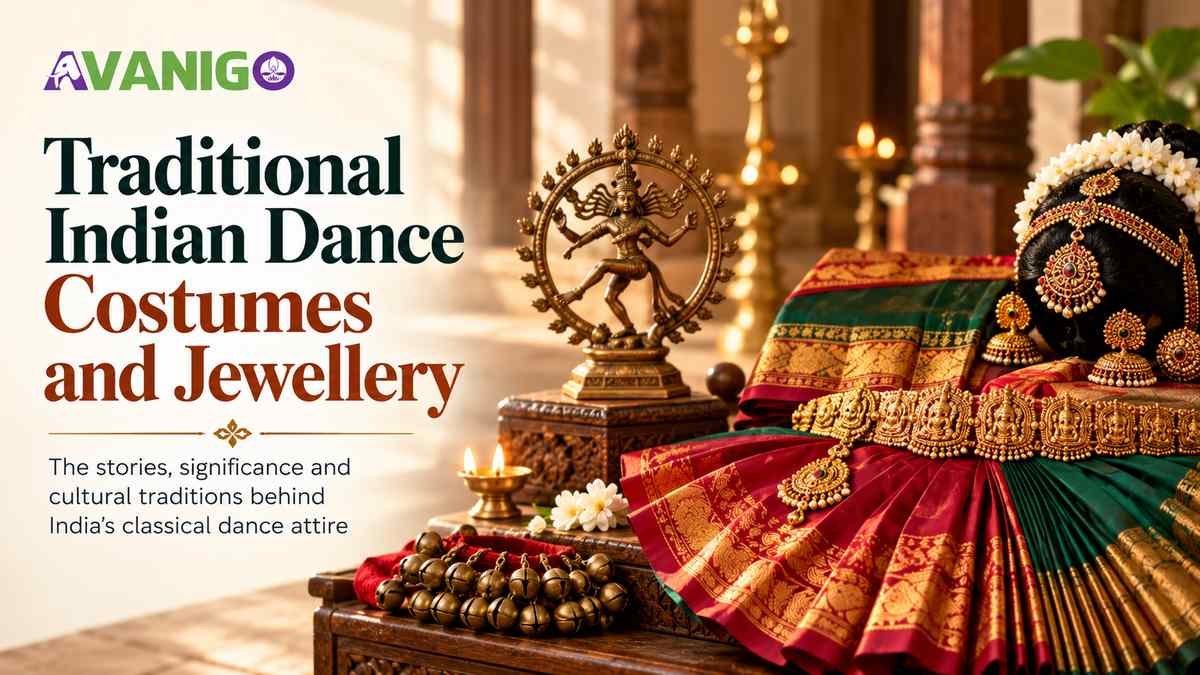
Traditional Indian Classical Dance Costumes and Jewellery
A classical Indian dancer’s costume is not simply an outfit chosen for a performance. The pleats of a Bharatanatyam costume, the silver ornaments of an Odissi dancer and the flowing garments worn for Kathak contribute to the visual language through which movement, character and emotion become legible to an audience….
Indian Culture

Continue Reading
Vastu for Offices and Businesses: Traditional Principles, Modern Workspaces and Practical Design Decisions
Vastu for office spaces is a consideration for some business owners when selecting commercial property, planning a new workplace or renovating an existing office. Common areas of interest include the entrance, reception, leadership cabins, employee seating, meeting rooms and the location of important business functions. For modern businesses, these preferences…
Vedic Astrology vs Western Astrology: 7 Key Differences Explained
Vedic astrology and Western astrology are two distinct astrological traditions that interpret the positions of celestial bodies through different systems of calculation and interpretation. Although both use birth charts, zodiac signs, and planetary positions, they differ in their zodiac reference points, treatment of lunar constellations, timing techniques, and interpretive traditions….
Indian Culture

Continue Reading
Vastu Shastra for Modern Homes: From Ancient Architectural Principles to Contemporary Indian Living
Vastu Shastra is a traditional Indian system of architectural planning that considers the relationship between buildings, spatial organisation, orientation and the surrounding environment. Today, interest in Vastu Shastra for modern homes extends across independent houses, apartments, villas, gated communities and contemporary residential developments. For many Indian homebuyers, Vastu is a…
Indian Culture
Continue Reading
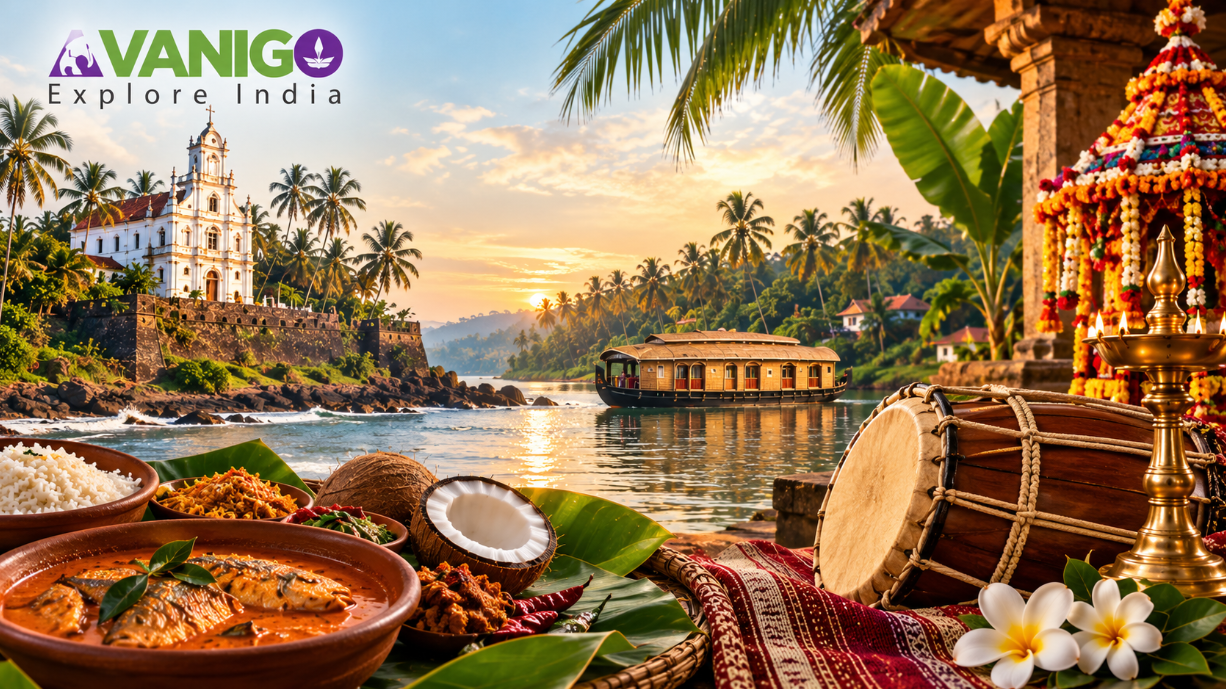
Konkani Culture: How Konkani Connects Food, Festivals, Family and Cultural Identity
Konkani Culture: How Konkani Connects Food, Festivals, Family and Cultural Identity A language is often described through its vocabulary, grammar and literary history. Yet for communities that have carried their language across generations and geographical boundaries, language is also embedded in everyday life: the food prepared in family kitchens, the…
Indian Culture
Continue Reading
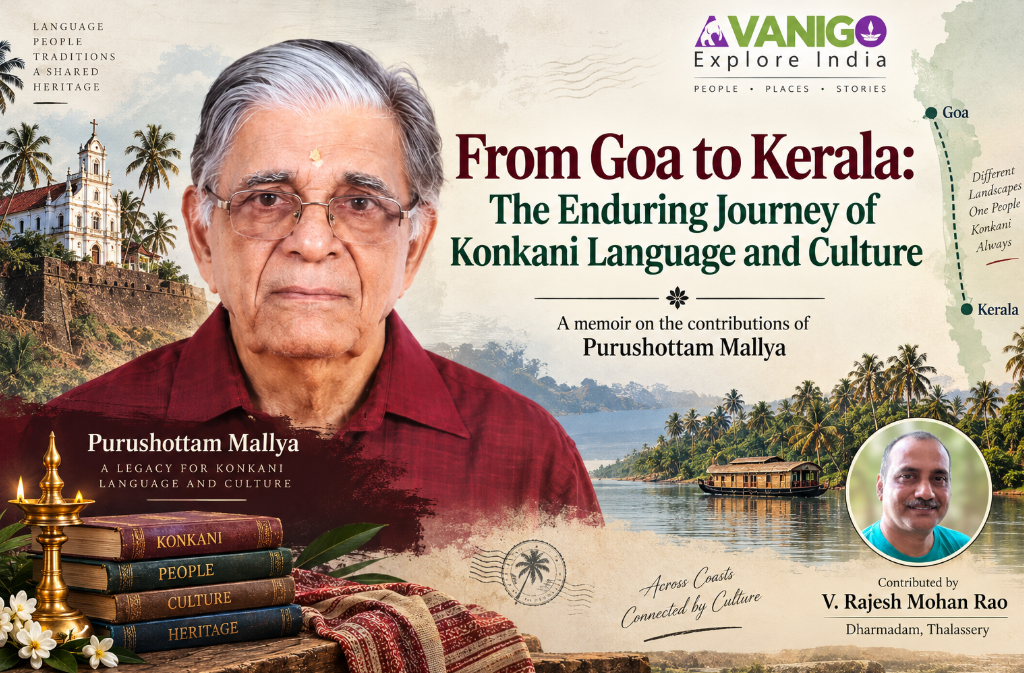
From Goa to Kerala: The Enduring Journey of Konkani Language and Culture
A language is much more than a means of communication. It carries the memories of generations, preserves traditions, connects communities and keeps alive the cultural experiences of people across time and distance. The history of Konkani beautifully illustrates this enduring relationship between language, people and place. Goa occupies a central…
Classical Languages of India: Criteria, Complete List, and Facts
India is a diverse land and is a home to people of different origins and cultures. That is why we see linguistic diversity in our nation. You will find hundreds of languages throughout India and each of them have their stories and folklores. Among these languages, eleven of them…
Types of Rangoli Designs Across India: Regional Rangolis and Their Meanings
Rangoli is one of the most beautiful traditions in India. You might see it on the floor outside homes during festivals. Bright colors, flower petals, and rice flour come together to make patterns that bring joy and blessings. But did you know that every region in India has its own type…